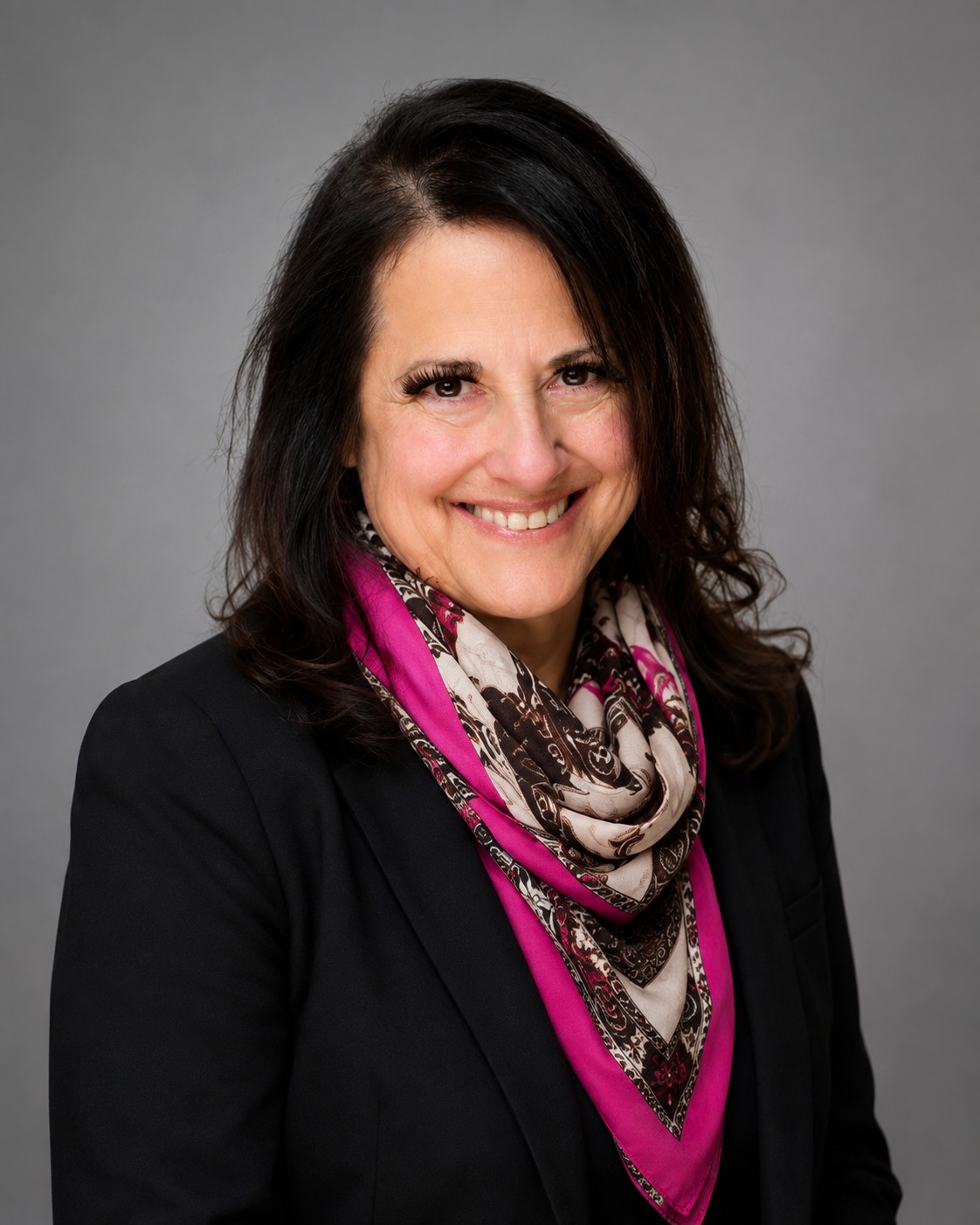
When I first began developing Alignify™, my goal was straightforward: create software that would make assessment easier for faculty and institutions. Like many people working in assessment, I believed better technology could simplify reporting and reduce the administrative burden placed on faculty.
As I worked with the software developers, I discovered something unexpected. Before I could explain how the software should work, I first had to explain how meaningful assessment should work. Every feature required another question.
How is evidence generated?
What exactly is an assessment measure?
How should assessment data be collected?
Why do institutions use the same assessment terms to mean different things?
Why does assessment often feel disconnected from teaching?
Each answer led to another question, and each question revealed the deeper challenge: institutions needed a clear, consistent, and intentional approach to assessment itself.
Before I could explain how the software should work, I first had to explain how meaningful assessment should work.
— Michelle Landa, Ed.D., Founder, Alignify™
From software architecture to curriculum
What began as software architecture gradually evolved into curriculum. As I developed the Faculty Assessment Institute, I refined terminology, redesigned workflows, questioned long-held assumptions, and identified recurring ideas that consistently strengthened the assessment process.
Over time, those ideas connected to one another. They became more than improvements to a workshop or features for a software platform. Together, they formed the foundation of a coherent methodology for designing meaningful assessment.
The Alignify™ Assessment Methodology
The methodology emerged through research, curriculum development, software design, reflection, and sustained conversations about what meaningful assessment looks like in practice.
A living research and development environment
The Faculty Assessment Institute became the research and development environment for the methodology. Faculty questions, discussions, assignments, and feedback contributed to clearer terminology, stronger tools, improved workflows, future platform capabilities, conference presentations, scholarly publications, and new resources.
The inaugural cohort played a meaningful role in that process. Their participation demonstrated a principle at the heart of Alignify: meaningful innovation grows through thoughtful reflection, shared inquiry, and continuous improvement.
In many ways, the Institute models the assessment process it teaches. We observe, reflect, refine, and improve. Each cycle strengthens the methodology and expands its potential to influence how faculty and institutions think about meaningful assessment.
Building a better way together
Alignify grew from the belief that assessment can become an intentional process that improves student learning, strengthens institutional understanding, and supports mission fulfillment. That belief continues to guide the methodology, the platform, the Institute, and every institutional partnership.